Articles
Big, Hairy, and Easy to Spot
06.25.2021
My son and father-in-law are avid watchers of shows like Mountain Monsters and Finding Bigfoot, so when I heard about the inaugural Bigfoot Festival, it seemed only fitting to chauffeur my family up for a day of Bigfoot-themed sun and fun. Booths were selling “authentic” fur and other related merchandise, and the festival started with a special Bigfoot-themed 5k race. I spoke to the organizers of the race, and they were expecting only a couple of hundred people to join the race but were shocked when over 700 people arrived. At that point, they had to stop accepting applicants because they had run out of parking for the event! It was nice to see after a year where events like this were canceled or held virtually, that it seemed as though things were starting to get back to normal.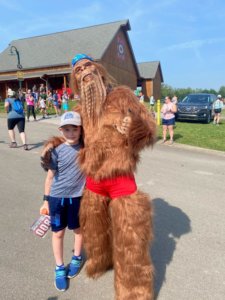
For those who don’t know, finding Bigfoot has become somewhat of a national obsession. According to a study conducted in 2020, nearly 11% of US adults believe Bigfoot to be real. Just in the last few days, an Oklahoma state representative offered a $3M bounty for anyone who can capture and deliver a live Bigfoot.¹ So, at least for the foreseeable future, I will be spending my weekends in the Smoky Mountains backcountry setting traps and working towards my goal of early retirement.
While finding an elusive animal like Bigfoot may seem impossible, another creature that the market has found equally elusive appears to have been found. That is the mythical creature known as inflation. According to the inflation report in May, inflation has made its way back into the system through elevated prices for raw goods such as lumber to finished products like used cars and home prices within the last few months. The fallout from the pandemic slowed economic growth and nearly ground to a halt the shipping of goods from our overseas trade partners. Supply chain issues, coupled with an increase in demand, have affected higher prices for end-users.
With all the news about inflation, is this a temporary issue or something that could become more permanent?
Listening to stories from my parents and clients about the late 1970s, I can’t imagine anyone wants to have a repeat of those times. At this point, it’s still too early to know whether or not this rise in prices is transitory, or if it could become a longer-term fixture over the next few years. One of many examples can be found in the used car market. Prices have exploded higher because new vehicle production has slowed considerably due to the microchip shortage. Some industry experts believe the issue could be solved in a few months or it may take a few years.
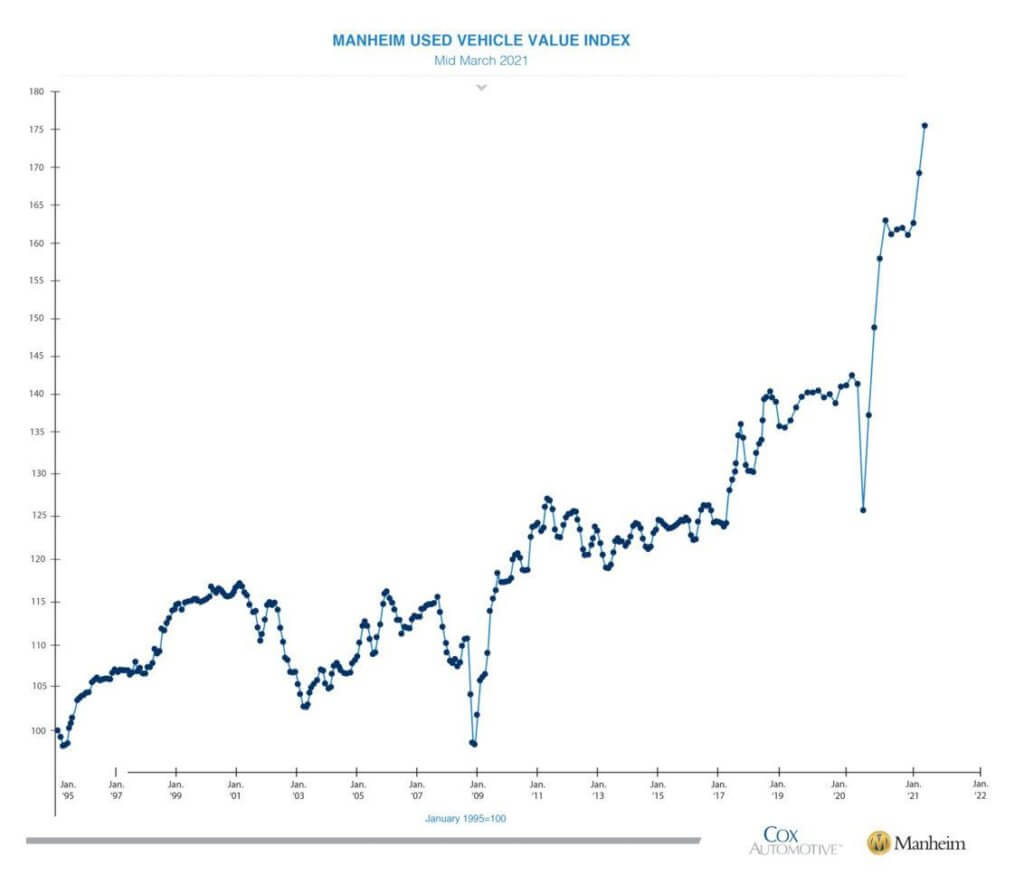
This could manifest itself as a larger problem if everyone started to believe that higher prices were permanent. Then we could find ourselves in a situation of higher prices leading to higher prices, and people hoarding items because they are convinced the prices will only go higher. While companies will adapt to the current situation over time and continue to maximize profits for their shareholders, bond prices will likely adjust lower if interest rates go higher. The Federal Reserve pinky swears that rates will stay low, but if inflation gets too hot in the coming months, they might not have a choice and be forced to raise rates. Ultimately higher rates are a sign of economic strength, and shouldn’t be feared, provided investors have positioned their portfolio to withstand it. RK has structured our bond portfolios to ensure that we have roughly half of our bond allocation in short-term bonds to provide a hedge against times of rising interest rates. The other parts of the bond portfolio consist of inflation protected bonds, and intermediate-term bonds while having no exposure to long-term bonds.
Unlike the elusive Bigfoot, inflation is easy to spot right now, but there is no guarantee that prices for items like used cars and lumber will stay at these elevated levels for an extended period. We will continue to monitor the ongoing developments to ensure that our clients are positioned for long-term financial success.
Nathan Smith is a Portfolio Manager with Rather & Kittrell.
¹ https://www.newsweek.com/bigfoot-bounty-jim-humphrey-oklahoma-1595313