Back to Articles

Articles

What Smoking a Brisket Can Teach Us About Investing

Nathan Smith
09.06.2024
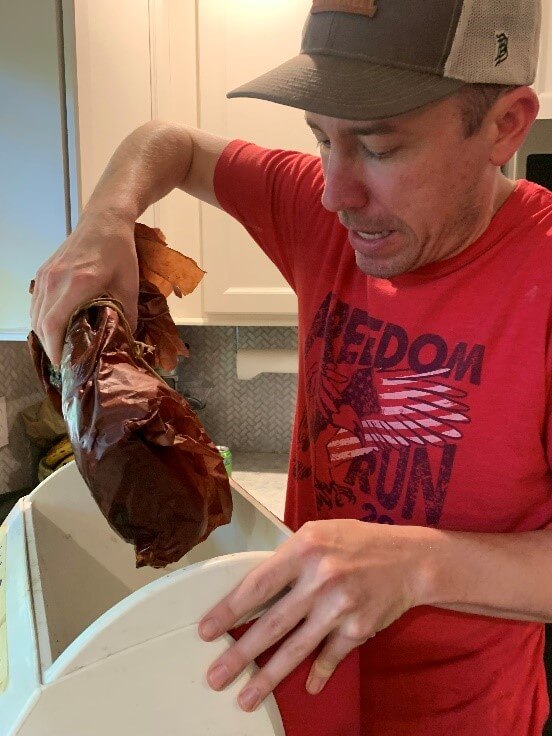
The other day, our COO jokingly declared that I had officially become an old man. When I asked him for evidence, he pointed to my recent enthusiasm for smoking a brisket for Labor Day. “Face it,” he said, “you’re old.”

And here I am, on my deck at 5:12 a.m. on Labor Day morning, tending to my brisket in the Big Green Egg and reflecting on the parallels between smoking meat and investing. As summer insects hum in the background, I realize that the careful art of smoking meat has much in common with how we should approach investing.

Setting Goals and Understanding Values

Just as with smoking a brisket, the first step in investing is to define what you want to achieve. It’s crucial to ask fundamental questions about your core values and long-term goals. Once you have a clear objective, you can plan accordingly—much like plotting out the time and temperature for your brisket. In investing, this involves understanding your risk tolerance and time horizon. Think of portfolio risks like the temperature of your grill: higher temperatures (or risks) increase the chance of getting burned.

Navigating the “Stall” in Smoking and Investing

During the smoking process, there’s a stage known as “the stall,” when the internal temperature of the meat climbs to around 165 degrees and then seems to plateau. This can last for hours, creating anxiety as you wait for progress, especially with guests eagerly anticipating their meal. Similarly, in investing, there will be times when progress toward your goals seems slow or stagnant. It’s easy to feel frustrated and tempted to make drastic changes to speed things up.

These slow moments can be the most perilous times to make decisions. Acting on impulse during these periods might solve an immediate concern but could undermine long-term success. The key is to remain patient and trust the process.

Trusting the Process

Setting the Right Temperature: Just as the correct smoking temperature is essential for a successful brisket, determining the right asset allocation is crucial for a well-balanced investment portfolio. Your allocation should be guided by your long-term goals and values rather than short-term market fluctuations.

Monitoring and Adjusting: While the smoker’s temperature may fluctuate slightly, it’s important to make only subtle adjustments. Similarly, in managing investments, periodic reviews and minor adjustments are necessary to stay on track. For portfolios, we review every ten business days and adjust only if necessary, keeping within a 20% tolerance range to maintain stability.

The Importance of Patience and Reflection

Before serving the brisket, it’s vital to let it rest. Opinions may vary on resting time, but the essence is to allow the flavors to settle. Likewise, after reaching a significant milestone in investing, whether achieving financial freedom or simply enjoying the fruits of your labor, take time to relax and reflect.

Celebrating Success

After all the hard work, whether it’s a perfectly smoked brisket or a well-managed portfolio that has weathered various market conditions, the best way to enjoy your success is with those you care about most. Savor the moment and appreciate the journey that got you there.

Nathan Smith is the Portfolio Manager with Rather & Kittrell.

More From Nathan Smith

Figuring Out the Investment Puzzle
Our family escape room trips are always a highlight. The puzzles pull everyone in: Clues hidden in plain sight, locks...

View Article
Nuggets of Granola and Investing
Discover how evidence-based investing helps Knoxville families build lasting wealth in a world full of “crumbs.”

View Article
Labor Day and Lessons From a Canoe
Labor Day is a natural reset. Learn how a tandem canoe lesson—finding rhythm, adjusting, and working with a guide—mirrors good financial planning.

View Article
The Myth of Meaningful Numbers: From 12:34 to Dow 40,000
Seeing 12:34 or Dow 40,000 feels meaningful—but it’s mostly noise. Learn why investors should ignore arbitrary milestones and stick to a plan.

View Article