Back to Articles

Articles

Investor Psychology Drives Volatility in S&P 500: What’s Fueling the Rally and Pullback?

Your Rather & Kittrell Team
02.16.2024

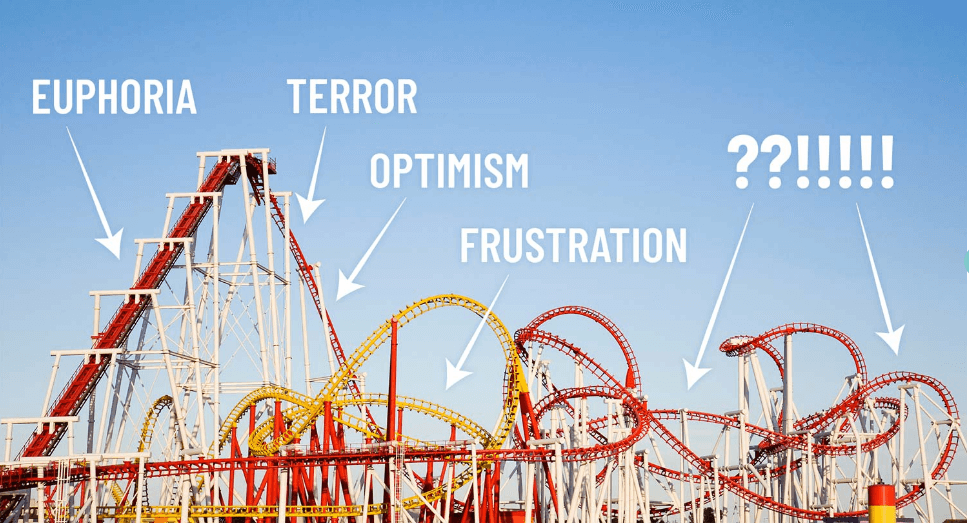
The S&P 500 broke the 5,000 level recently for the first time in history as investors embraced euphoria and rallied.1

And then tumbled as investors got jittery.2 Then yo-yo’d a bit more.

What’s going on?

Let’s talk about investor psychology.

Fear and greed are the two halves of the investor psychology coin.

When investors are feeling greedy and exuberant, they buy in the hopes of making a big profit, driving markets up.

When sentiment turns, and they start feeling fearful, they sell in the hopes of avoiding losses, driving markets down.

The rollercoaster of investor psychology can take over and push markets in directions that don’t always jibe with the underlying financial and economic fundamentals.

We’re seeing that push-pull in action right now as investors weigh the likelihood of future interest rate cuts and price out different scenarios.

What positive factors support the rally?

1. Employment is strong, and the most recent report stunned economists with over 350,000 jobs added in January. Though some of the surprise increase can be attributed to seasonal effects, the overall trend is encouraging. 3

2. The U.S. economy may be re-accelerating. The running “unofficial” forecasts by the Atlanta Fed show Q1 economic growth coming in above 3%, trending higher than earlier estimates.4

3. The Fed has forecasted multiple rate cuts in 2024, which would make credit cheaper to access and support business growth.5

What negative factors could trigger a pullback?

1. Pullbacks are normal and expected after markets experience a sustained rally.

2. Inflation is generally trending lower, but the latest data shows prices rose more than expected in January.6 If inflation remains stubborn, it could raise the specter of a “hard landing” recession and spook markets.

3. Investors are counting on interest rates coming down soon. If the Fed indicates it will delay cuts, investors could rethink their optimism.

Bottom line: Volatility is higher, and we’ll likely see markets continue to rally and retreat as investors consider their next moves and price in new data. With all that is happening both domestically and internationally, we should continue to expect the unexpected and be guided by our long-term plans, not our emotions and day-to-day movement in markets.

To learn more, contact us at Rather & Kittrell.


Sources

1. https://www.cnbc.com/2024/02/11/stock-market-today-live-updates.html

2. https://www.cnbc.com/2024/02/13/stock-market-today-live-updates.html

3. https://www.marketwatch.com/livecoverage/jobs-report-for-january-employment-growth-seen-slowing-in-report-vital-to-fed-outlook/card/jobs-report-shows-353-000-gain-in-hiring-in-january-unemployment-rate-stays-at-3-7–aYXgACPOLljLMpejC9Bf

4. https://www.atlantafed.org/-/media/documents/cqer/researchcq/gdpnow/RealGDPTrackingSlides.pdf

5. https://www.cnbc.com/select/when-will-interest-rates-drop/

6. https://www.cnbc.com/2024/02/13/cpi-inflation-january-2024-consumer-prices-rose-0point3percent-in-january-more-than-expected-as-the-annual-rate-moved-to-3point1percent.html

More From Your Rather & Kittrell Team

What the Fed Sees...and Why It Matters
The Fed is sending up a flare that the economy may be softening. Learn what the Fed is watching—and what it could mean for investors and markets.

View Article
Reflecting on 2024
As 2024 wraps up, we thank you for trusting RK to be part of your journey. We wish you a joyful season and look forward to continuing our partnership in 2025. Happy New Year!

View Article
Fed Cuts Interest Rates: What It Means for Markets, Borrowing, and Investors
The Fed cut interest rates by 0.5%, sparking market highs. Learn how lower rates impact mortgages, business borrowing, and economic growth, plus what investors should watch for next.

View Article
How Interest Rates Impact Your Wealth, Investments, and Financial Plan
Interest rates affect everything from your mortgage to your investments. Learn how rate changes impact your wealth and what adjustments may benefit your financial plan.

View Article