Articles
The Case for Bonds
10.14.2022
It’s no secret that 2022 has not been a great year for stocks, but the return for bonds has been historic. While bonds are only down half of what stocks are, it is significant because we have to go back to the US Civil War to find another time when bonds declined so drastically.
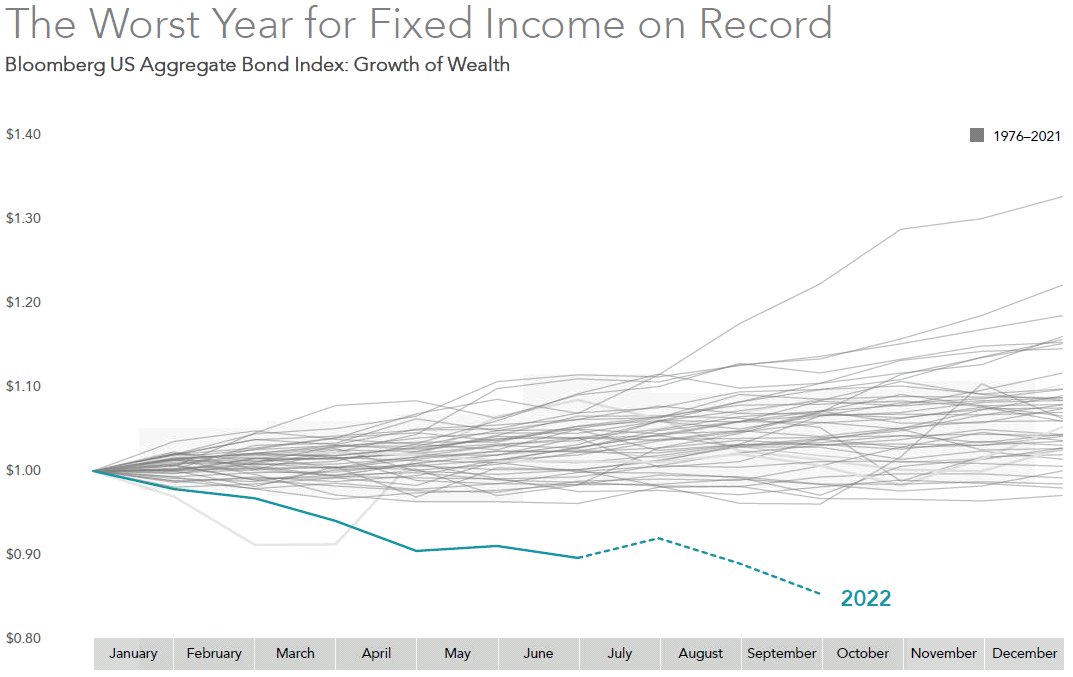
Investors buy bonds to earn a modest yield and for principal protection since bonds historically are less risky than stocks.
So what do we do now? I wanted to share a few questions we have been getting and offer some answers and a little hope that things may not be as bad as they seem. Let’s begin with the basics:
Why are bonds down in the first place?
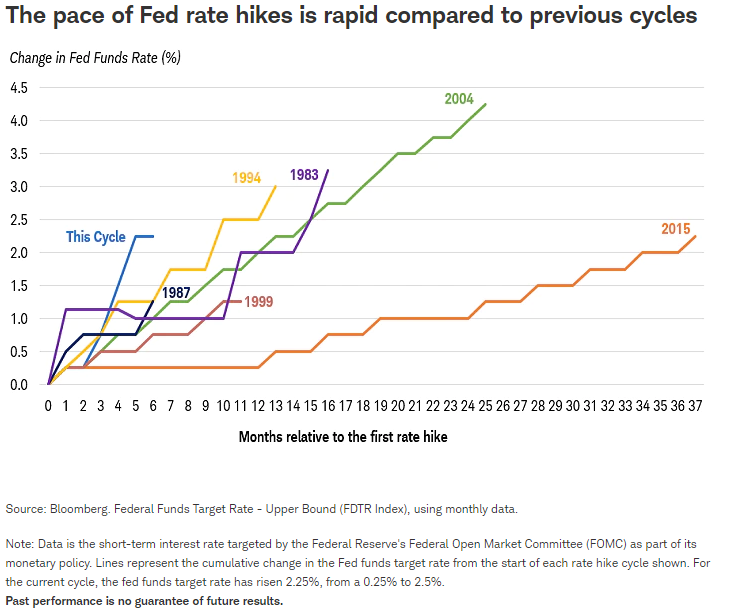
For the last several years, bonds have been yielding very little in the form of interest payments as rates on everything from mortgages to bank accounts were at historical lows. During that time, the returns have been good, with positive annual returns for seven years straight from 2014-2020. But as inflation has come back into the picture, the Fed has been aggressively raising rates to try to move inflation back to their long-term goal of 2%. The pace at which the Fed has been raising rates is also much faster compared to previous cycles, which is why the bond movement has been so dramatic and historic.
What could make bonds go up?
The simple answer is any relief from the rise of interest rates. The two likely scenarios for this happening are the lowering of inflation or a slowdown in the economy. This could put the Fed in the position to pause or even reverse its interest rate policy. This policy shift will eventually come, but the timing is unknown.
Should investors have done anything differently?
For a long time, market prognosticators predicted a rise in interest rates based on the idea that they couldn’t remain so low forever (despite some parts of the world seeing negative interest rates for years). Everyone understood that rates would rise but when exactly it would happen was the answer no one knew. Rates were low for a decade, and missing out on the gains during that period is not attractive even with today’s hindsight.
What is the long-term outlook for bonds?
Higher interest-rate bonds are being added to funds daily as old bonds with lower interest rates mature. This means higher interest payments are coming to bond funds with no changes necessary. It will take some time but combining this fact with today’s low prices make bonds appear much more attractive for the long term.
We still believe in bonds and their place in a diversified portfolio. We know investing this year has been a test of patience and discipline. We are here for you and happy to discuss anything on your mind.
We are here to help.
Chase Kerby, CFP®, AIF® is a Senior Advisor with Rather & Kittrell.